
 Nassuf
Amazon Rufus is now Alexa for Shopping: how to adapt your listings
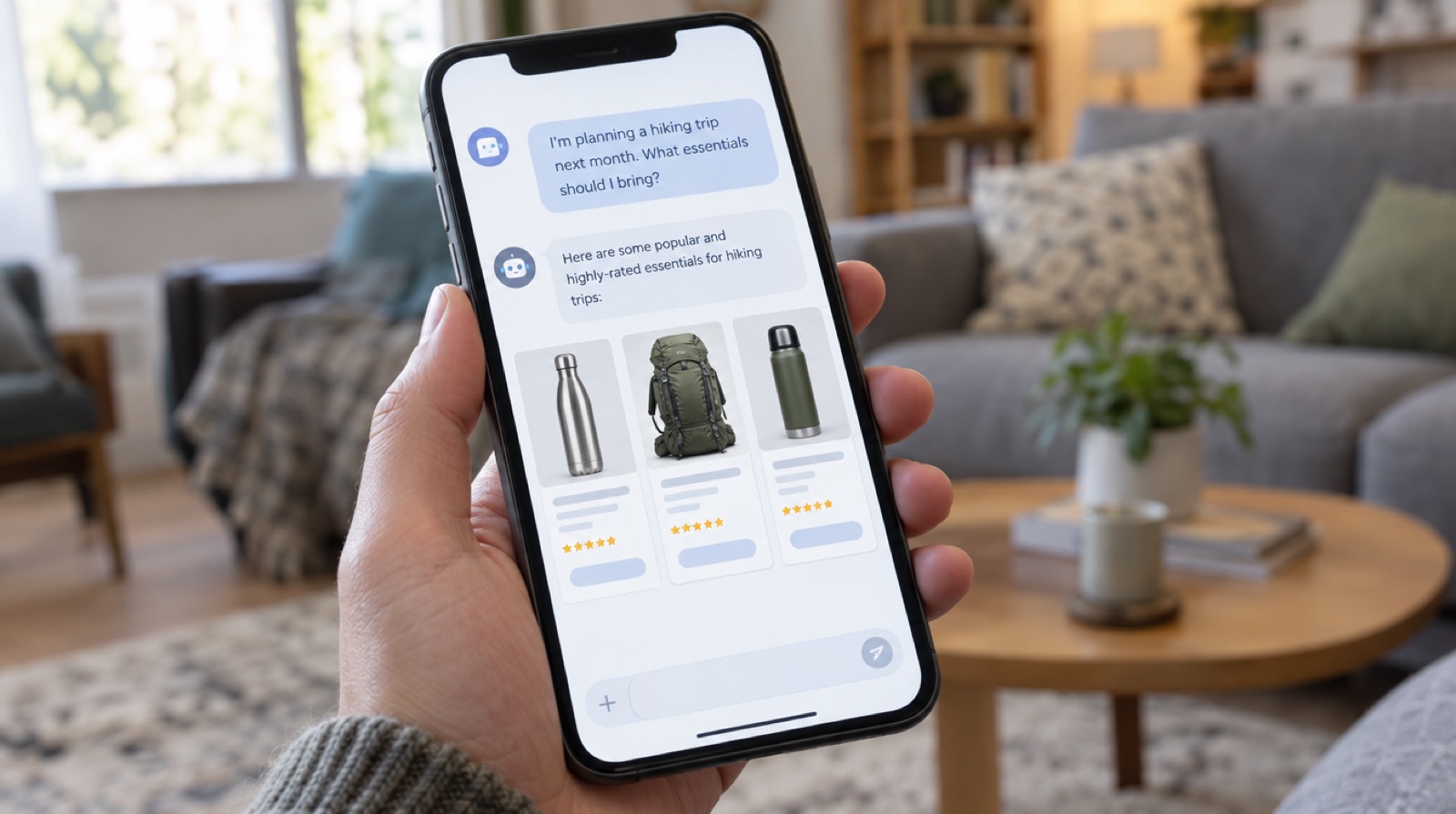
Amazon renamed Rufus to Alexa for Shopping. The assistant only shows a handful of products per answer. Here is how to be one of them.
Keywords & search terms 4 min read
For the first time, Amazon lets you pay to ask your real buyers for a review. We looked at the rules, the limits and what it changes for a launch.
Nassuf Published 
Anyone who launched a product on Amazon knows the problem. No reviews, nobody buys. No sales, no reviews. And the “Request a Review” button in Seller Central isn’t enough to break that loop.
Amazon just added a new tool: Review Requests. It’s an ad. You pay for Amazon to show an invitation to leave a review to people who bought your product, while they browse the site.
It was announced at unBoxed on September 29, 2026. The open beta starts in late October in the US. Other countries will follow later, no date yet.
The idea is simple. Your buyer received their order. A few days later, on Amazon’s busiest pages, they see a native placement asking them to rate your product. The invite shows up where they already spend their time, not in an inbox they no longer read.
Only verified buyers see the request. These are your real customers. They just get a reminder to share their opinion.
The rules are clear.
Fewer than 1,000 ratings and reviews on the product. Once you pass that threshold, the campaign pauses on its own. It’s built for launches and smaller products.
A seller or vendor account in good standing, with an active ads console and no ongoing policy violations.
Created in Amazon Ads Agent or through the API. Bids and budgets work like other campaign types. If you haven’t seen Ads Agent yet, we explain it in our article on Amazon Ads Agent.
On pricing, Amazon publishes nothing and points you to your account manager. One US outlet saw a demo with a default bid of $0.75 and a $100 daily budget. Take it as a ballpark, not a rate card.
In its closed beta, in the US from June 3 to 21, 2026, Amazon reports about three times more ratings and reviews per week on the products involved.
That’s Amazon’s number, over a short window, with no breakdown by category. But even cut in half, it changes the speed of a launch. Going from 10 to 50 reviews in one month instead of three is often the difference between a product that takes off and one you give up on.
Review Requests doesn’t change Amazon’s review rules. You still can’t filter customers by asking happy ones for reviews and sending unhappy ones to support. No gifts for reviews, no reviews from friends and family.
If your product has a real flaw, this ad will mostly speed up the negative reviews. Fix the product and the listing first.
Here is how we would fit it into a US launch today.

1. Turn on Review Requests from the first sales. The product has to sell already. Without buyers, the ad has nobody to talk to.
2. Keep the “Request a Review” button in parallel. The two work together. The button sends an email, the ad reaches the buyer on the site.
3. Lower the budget as you approach 1,000 reviews. Amazon cuts it at 1,000 anyway. But the marginal effect drops well before that.
4. Track your rank along with your reviews. More reviews means a better conversion rate. A better conversion rate means a better organic rank. If your rank doesn’t move while reviews go up, the problem is elsewhere: price, main image, or wrong keywords.
For step 4, we launched the Rank Tracker in PPC Assist on November 3. You track your organic and sponsored position on every keyword, day by day, next to your ad numbers. Kong, our agent, warns you when a keyword slips. Packs go from 100 to 2,500 keywords for $9 to $79 a month, about four times cheaper than Helium 10. It’s on the features page.
We’re documenting a full US launch with Clément from Stupid Seller: a supplement, from picking the product to the first sales. The numbers, the campaigns, the mistakes. Everything is shared.
Episode 1 is on YouTube (in French). We’ll show how we handle the no review phase, and whether Review Requests holds up on a real product.
If you’re preparing a launch too and want to know where your account is losing money, the free audit gives you a first read in a few minutes. You’ll find more seller stories in our case studies.
Review Requests is the first time Amazon lets you pay to speed up reviews the clean way. Products under 1,000 reviews only, US only for now, pricing still unclear.
If you launch in the US in the coming months, put it in your plan from day one. If you sell in Europe, get ready: it’s coming.
Nassuf Amazon renamed Rufus to Alexa for Shopping. The assistant only shows a handful of products per answer. Here is how to be one of them.
 Nassuf
Announced at unBoxed in late September, Amazon Ads Agent replaces the console and the DSP. We sort out what works today from what is still in beta.
 Nassuf
Introduction: Why 2026 is the Year Amazon Sellers Must Embrace Meta Ads Amazon’s advertising stranglehold on sellers has reached a critical tipping point in 2026. The platform’s advertising business is exploding at 3x the rate of retail sales growth, creating an unsustainable environment where small sellers are forced to pay increasingly steep fees just to